Overview
Envision a unique guest experience in 2030
for the hotels of the city of the future
Objectives
Translate business strategy into a guest experience vision
Create a highly differentiated experience, impossible to imitate by existing hotel chains
Build an experience blueprint to serve as a model for other touristic destinations
What we did
Trend analysis and future speculation
Experience vision development
Experience concept portfolio creation and concept prioritization
Creation of project plans for MVP development
Data system blueprint
Videos for concept communication
What I did
Develop business by winning the bid, develop the solution blending methodologies, form the team and project plan
Spot opportunities for and help account team shape for 4 additional projects
Own client relationship and communications during the project, address any issues
Give creative direction to ensure high quality of delivery
Manage project budget business strategy into a guest experience vision
Create a highly differentiated experience, impossible to imitate by existing hotel chains
Build an experience blueprint to serve as a model for other touristic destinations
What we delivered
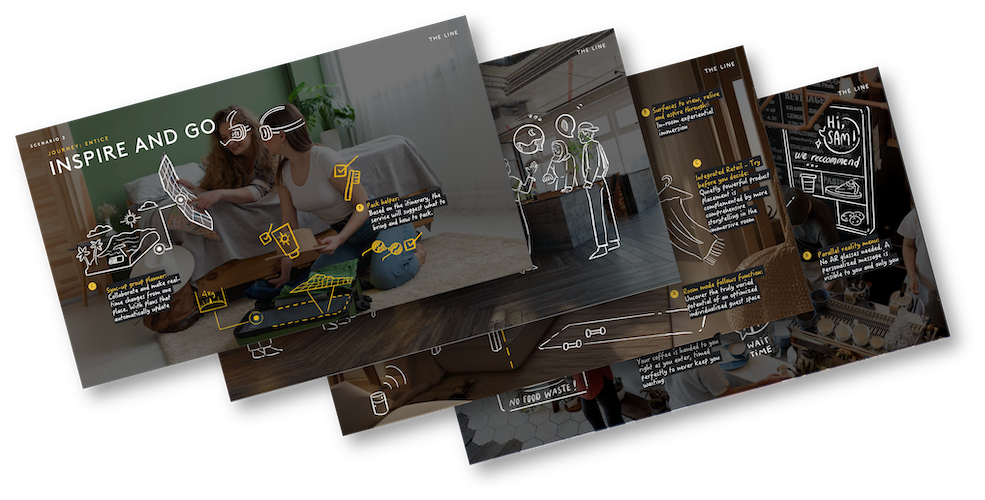
Future Scenarios & Features
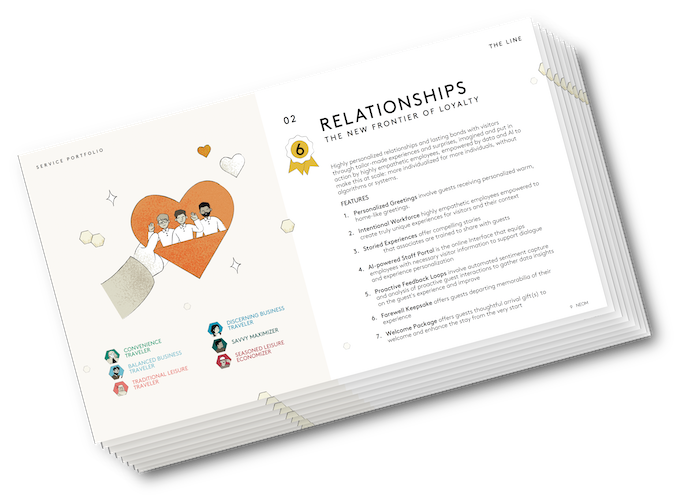
Service Concept Portfolio
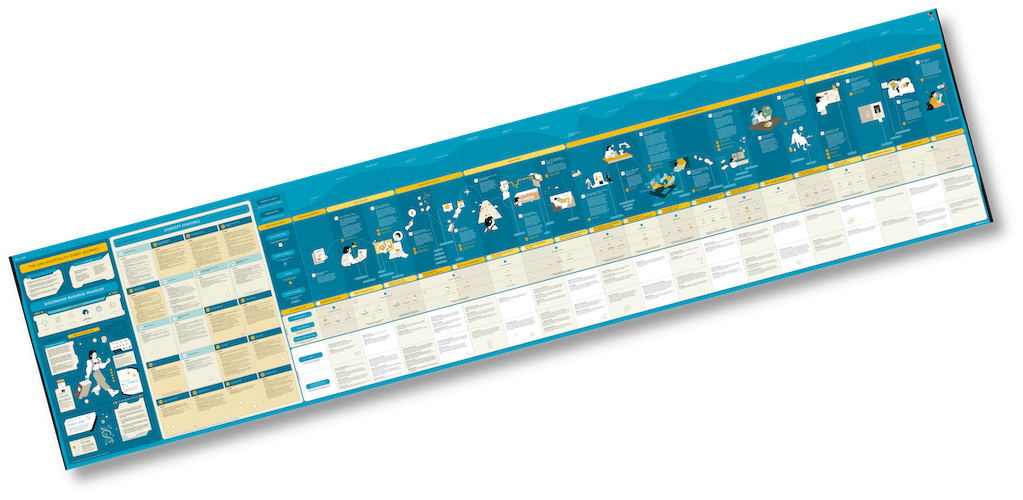
Guest Journeys
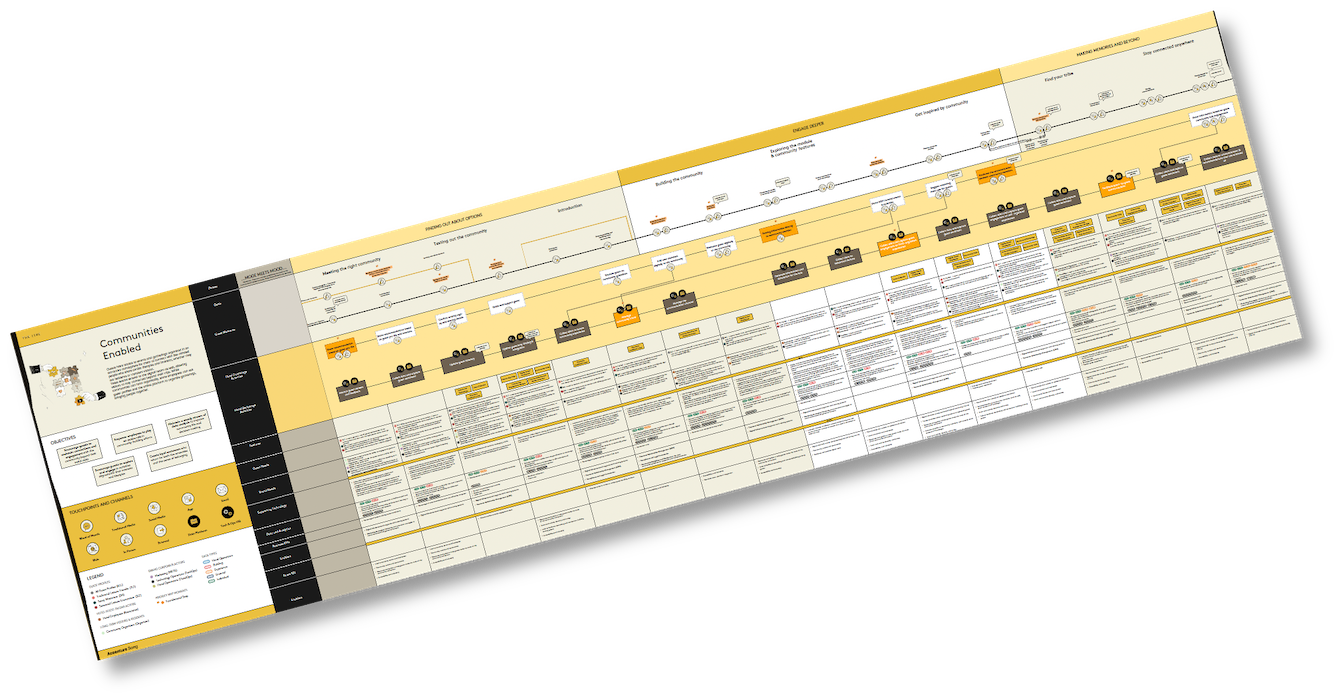
Service Blueprints
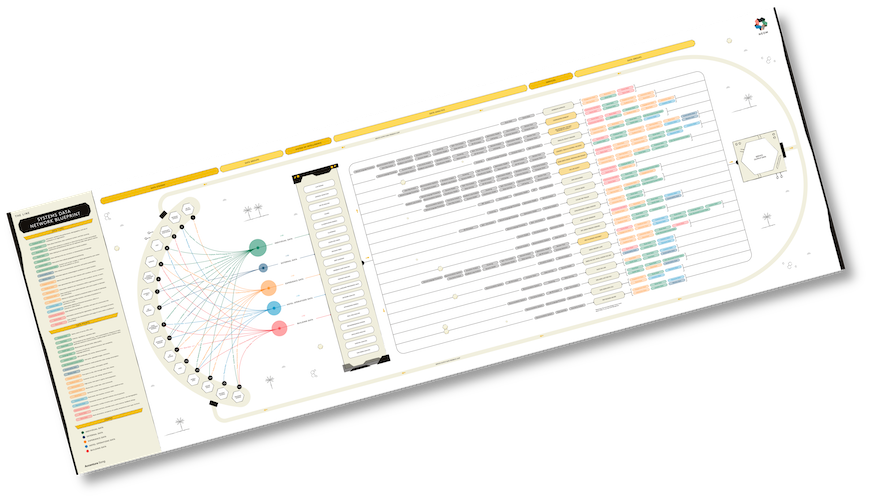
Data System Blueprint
Results
6
MVPs planned to be prototyped and tested with users
$3M+
4 new projects to further expand on the foundations laid by the project, from tactical implementation to organizational design
6
Videos to communicate the essence of the experience internally and externally
Story
Hotel Experience
For The City of The Future
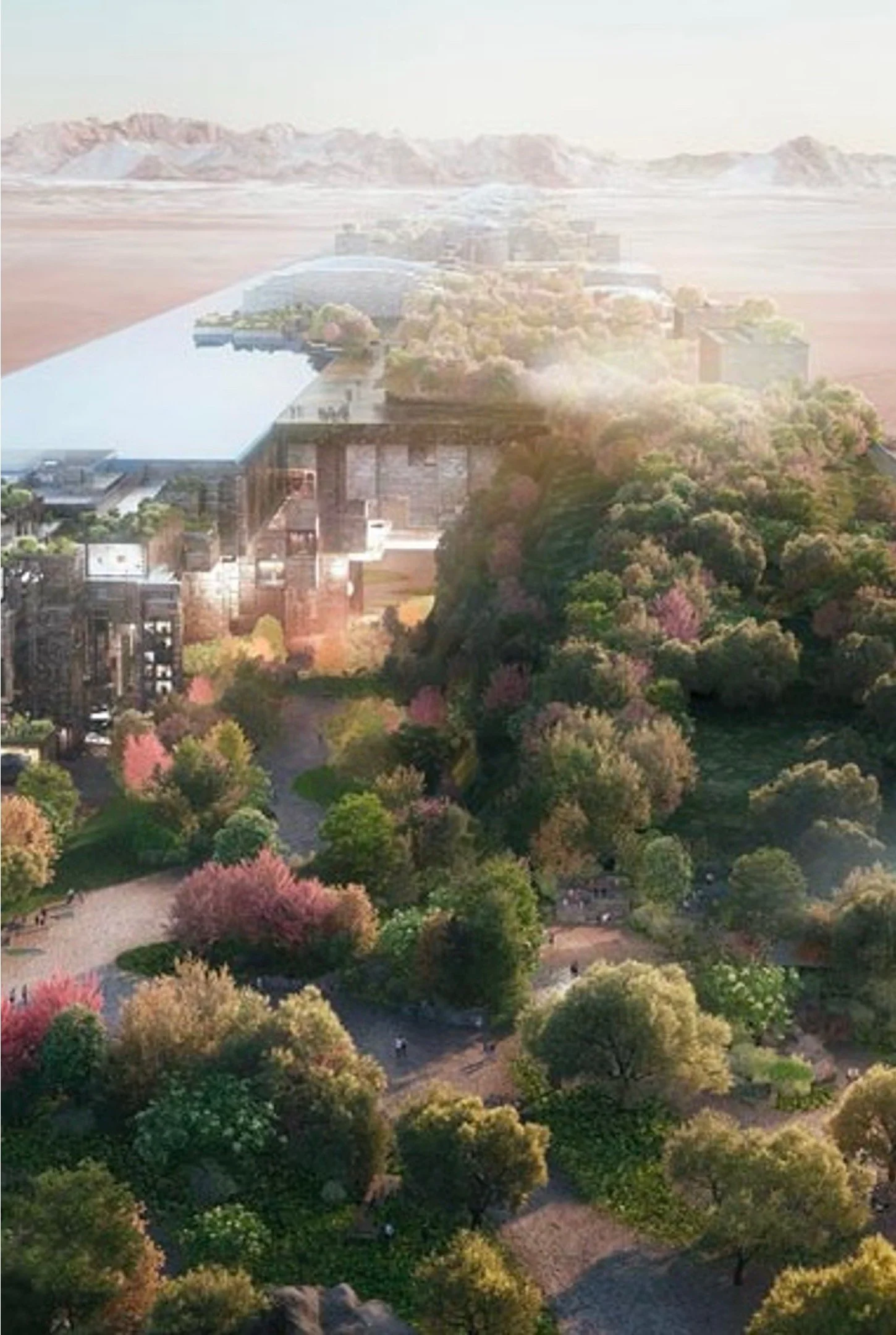
The transformation of hospitality in a cognitive city that redefines the concept of urban development and what cities of the future will look like, by giving each visitor a pixelated, personalized experience while fostering a sense of community.
6 Principles of
Pixelated Experience
We created the initial hypotheses to guide the future hotel vision within the unique context and ambition of THE LINE at NEOM, as the result of the synthesis of expert interviews, desktop research and initial ideation.
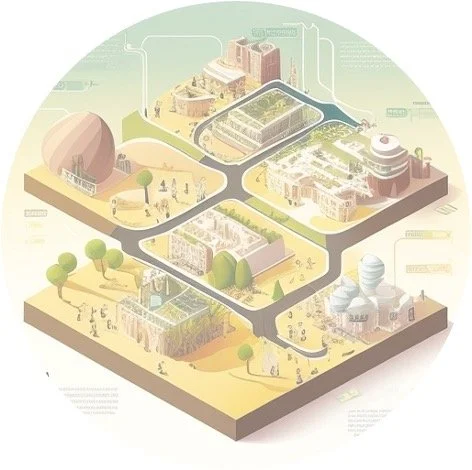
What if we leverage a pixelated hotel that is spread across the city and a vast network beyond, to create an unlimited combination of experiences with only a single booking?
What if we leverage a pixelated hotel that is spread across the city and a vast network beyond, to create an unlimited combination of experiences with only a single booking?
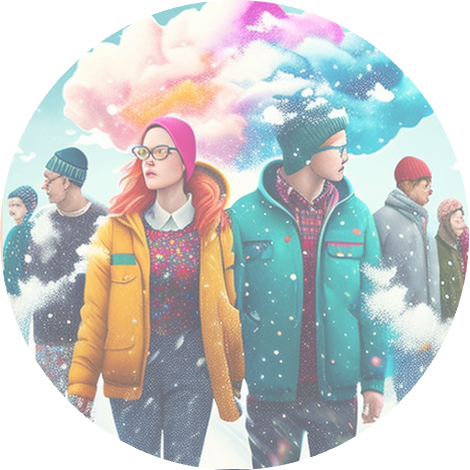
What if we personalized the hotel experience not to a predefined segment profile or tier, but to the dynamic context of the unique traveler mindset, individual characteristics and trip at hand?
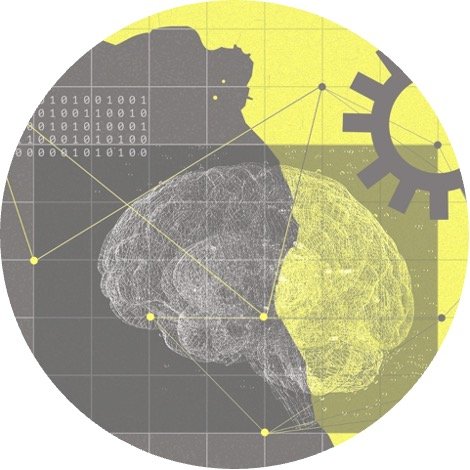
What if generative AI helped us not only personalize but also curate a series of experiences across and beyond the city? What if every resulting generated series of experiences were unique, fresh and full of surprise?
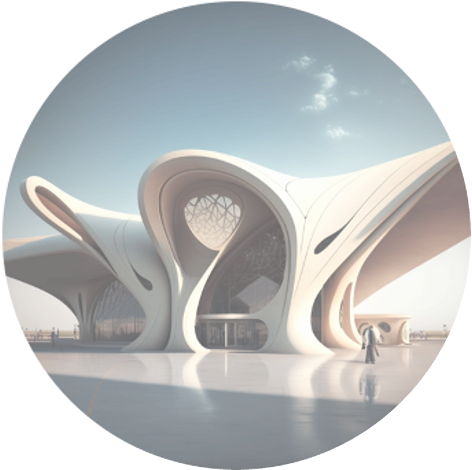
What if people spent more time and effort dreaming and experiencing their trip to the city, and not searching and planning? What if it was as easy as speaking with a friend? Let’s end the tyranny of the search box!
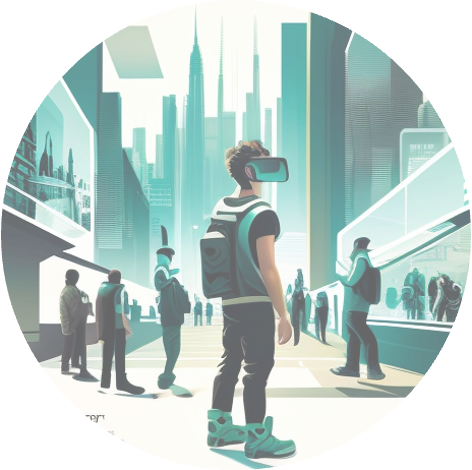
What if we leverage technology (such as robotics or smart mobility) to create experiences that transcend physical space, allowing visitors to explore and connect with the city’s pixelated ecosystem in unforgettable ways?

What if people came back not out of "loyalty" but out of "love for the experience"?
Research into today and future
The research activities followed the blended methodology. User interviews helped identify evolving expectations and motivations about travel from different visitor profiles and provided the user centric view into the future.
On the other hand, collecting signals of the patterns and trends of future experiences enabled scenario-based thinking about potential futures of hospitality.
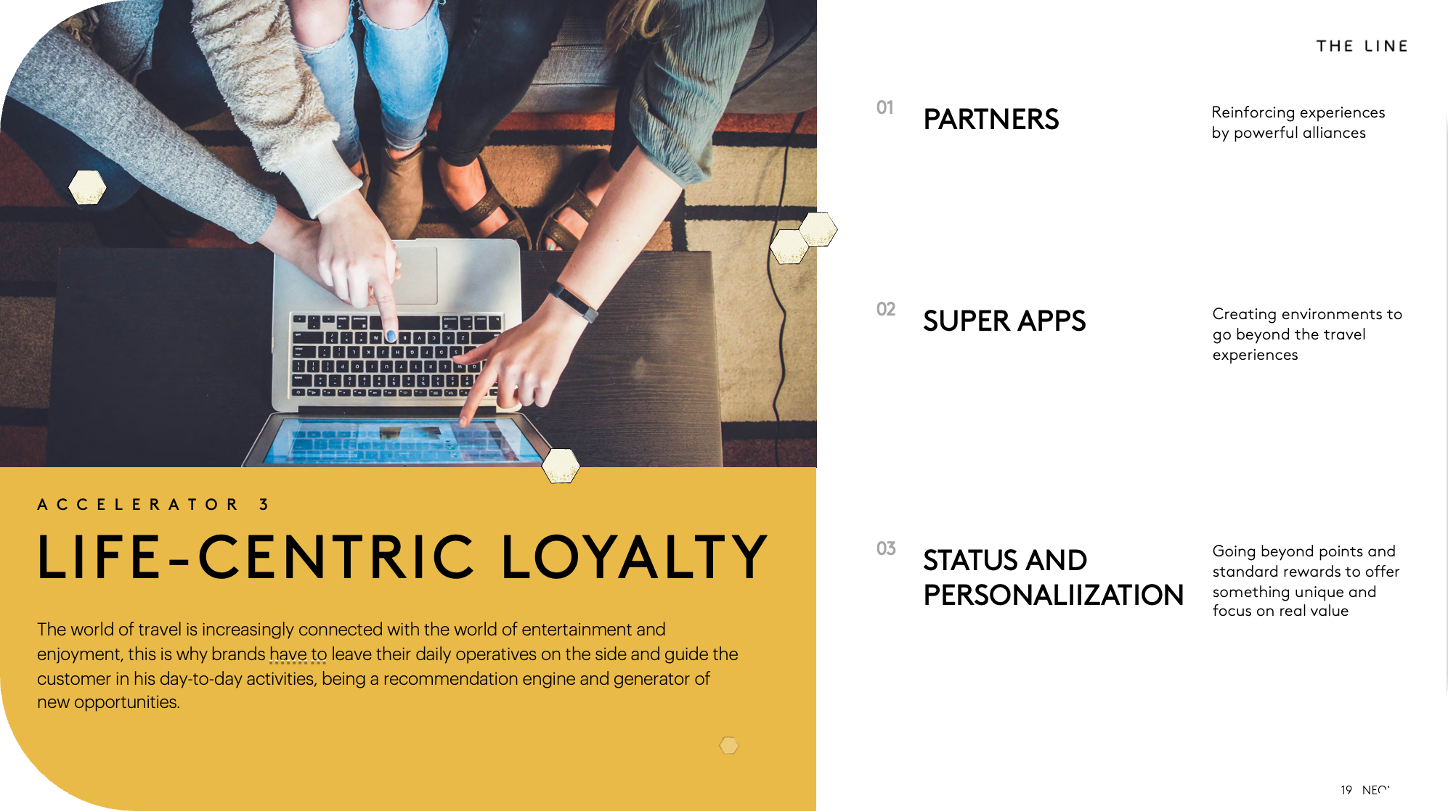
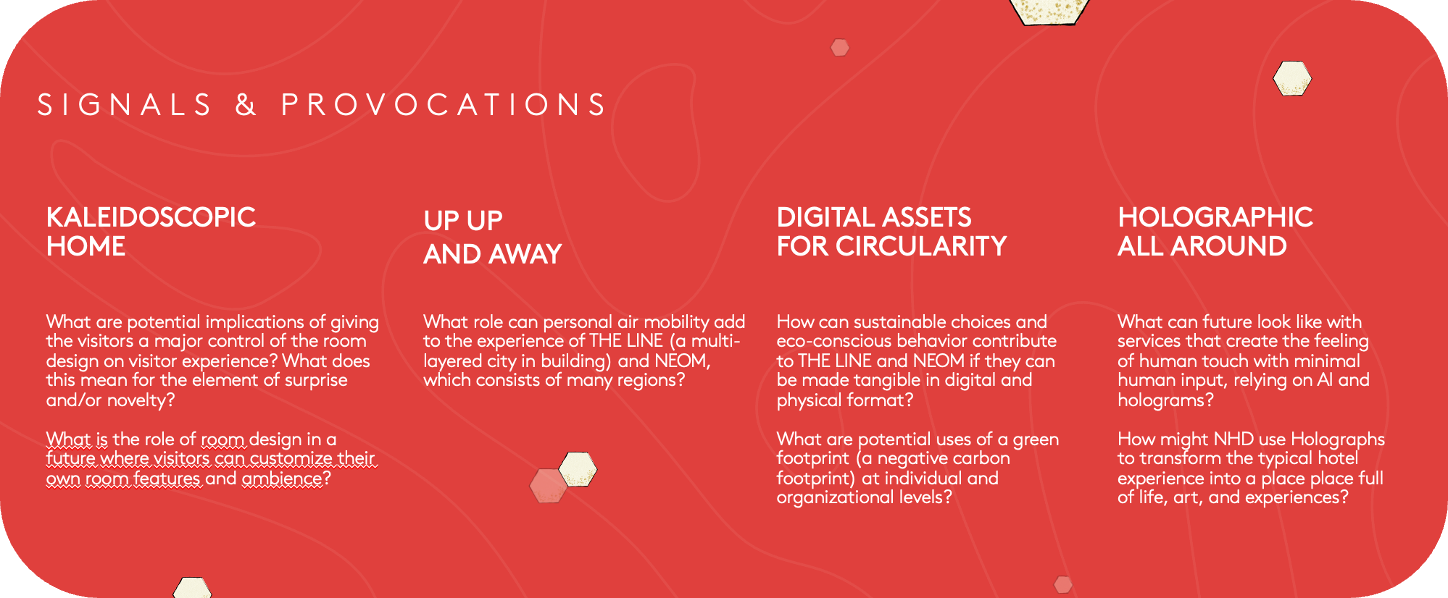
Travel Industry Accelerators
29
Signals from the future
25
Guest interviews
12
Data-led
quantitative research
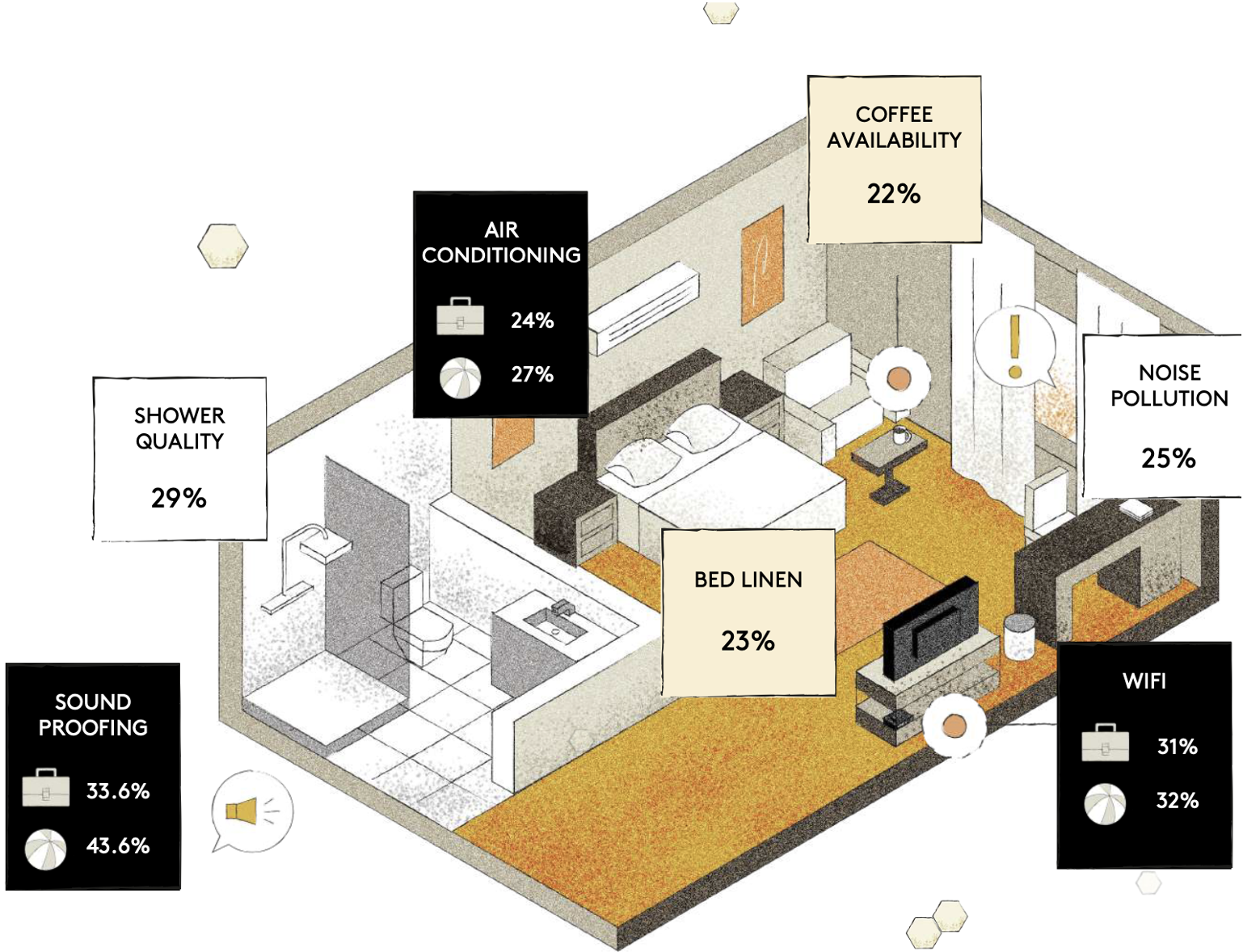
Quantitative research complements our existing qualitative research, aiming to identify and better understand visitor profiles. The methodology is divided into four key standard steps:
Data gathering and quality
Exploratory data analysis
Modeling
Synthesis and communication
Scenario-led
conceptualization
Leaning on the world building exercises and workshop conducted with the client, multiple scenarios on different phases of the travel journey were developed to ideate and create concepts.
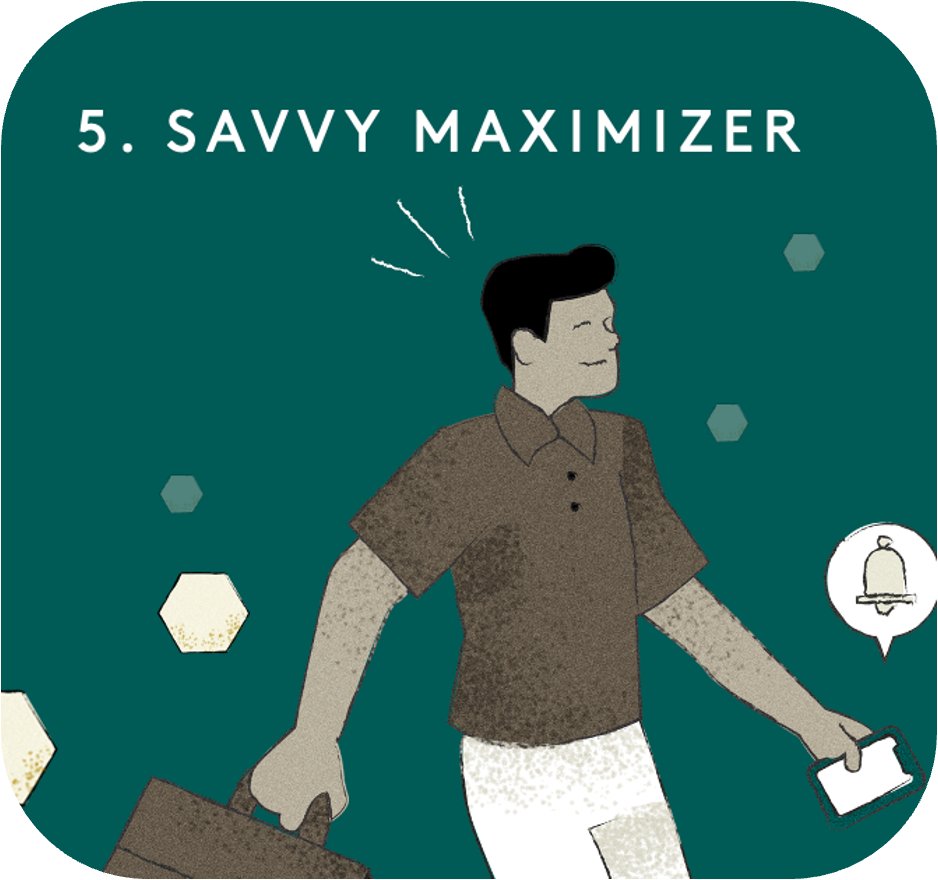
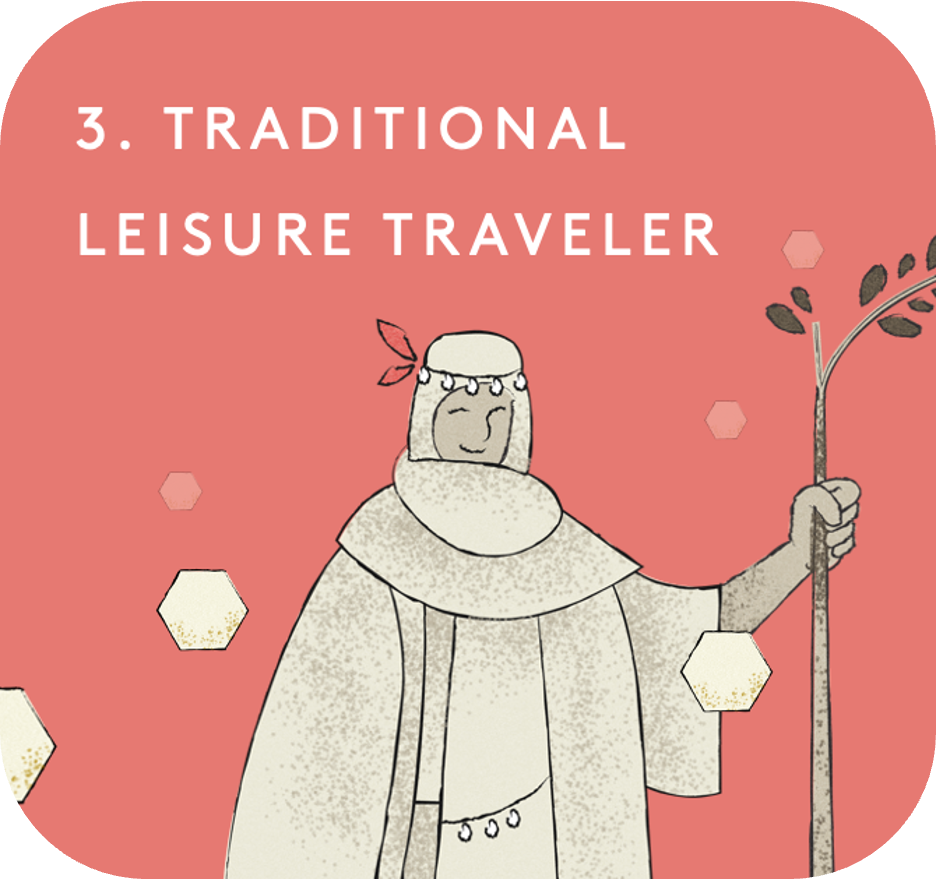
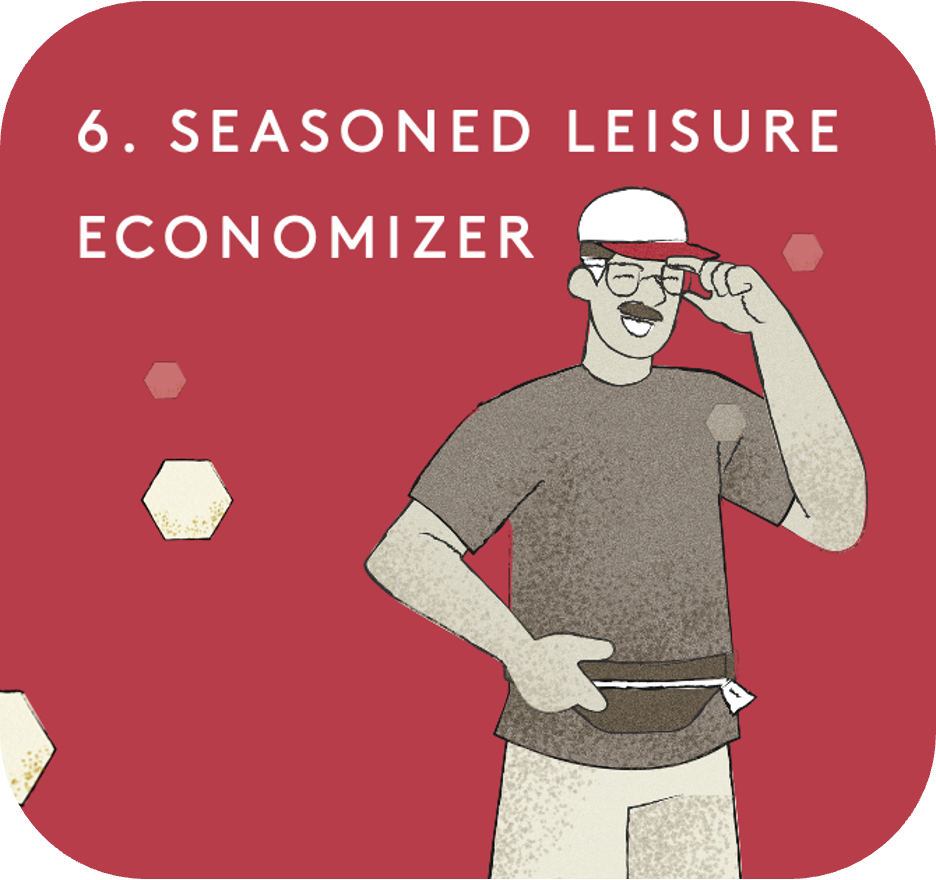
THE LINE data driven guest profiles
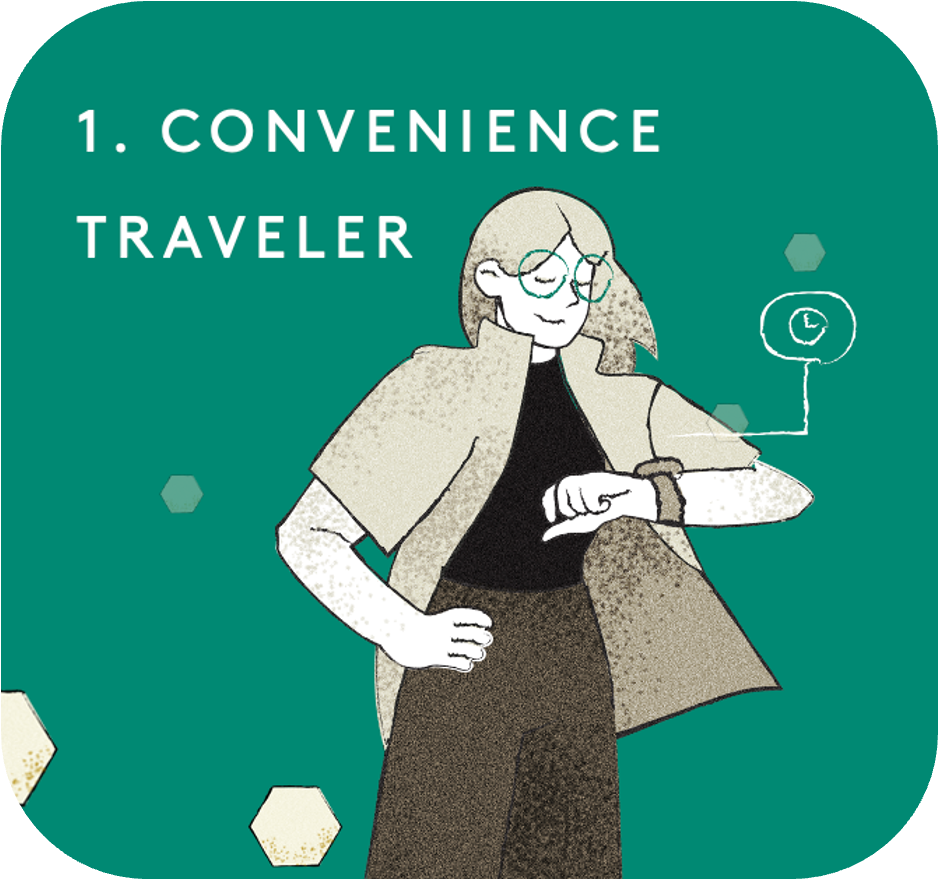
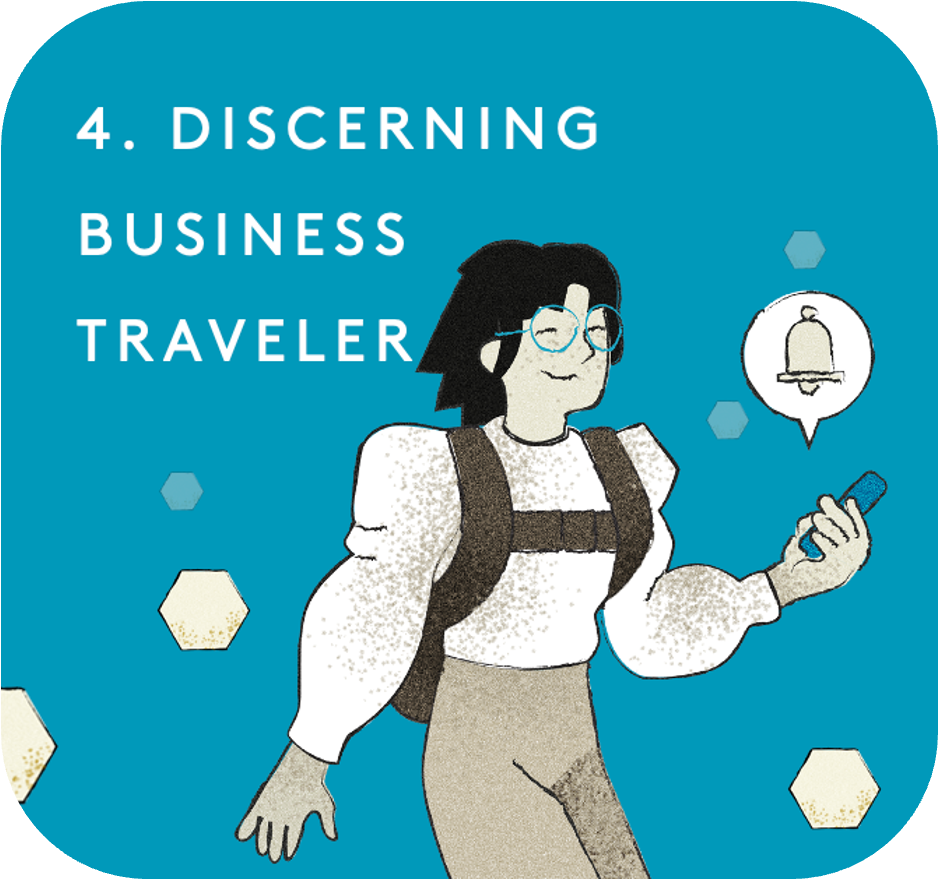
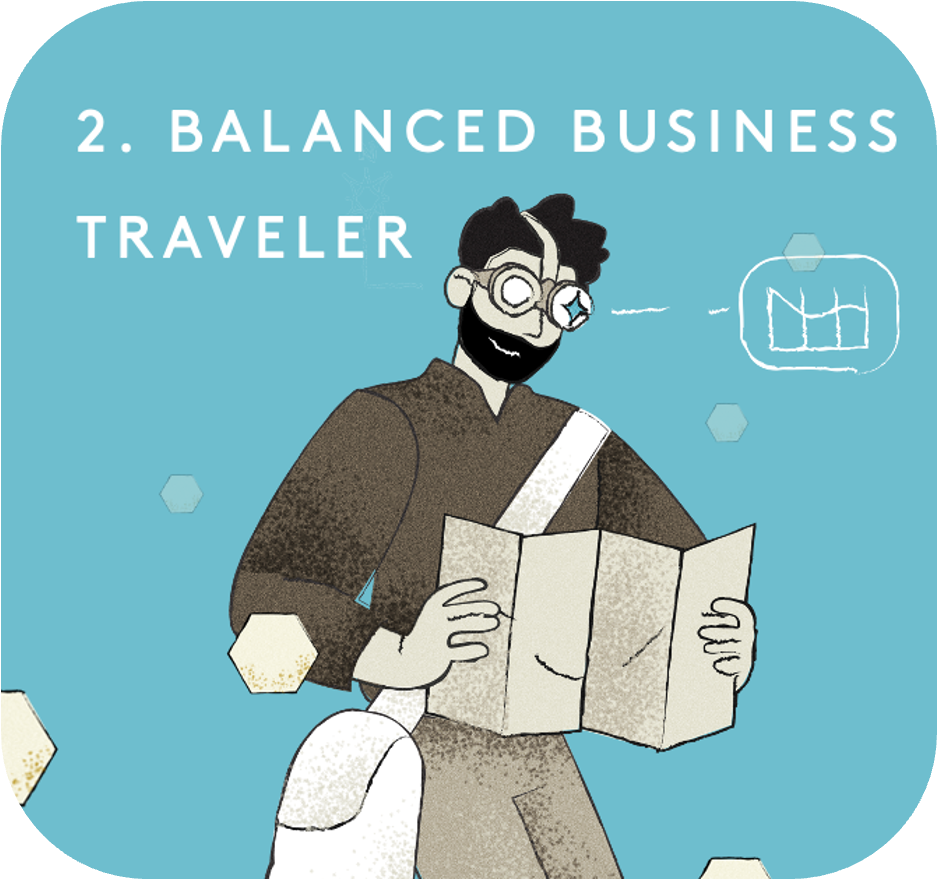
Guest profiles identifies groups with similar travel preferences, enabling targeted personalized services, reflecting the importance of understanding nuanced traveler behaviors.
THE LINE experience
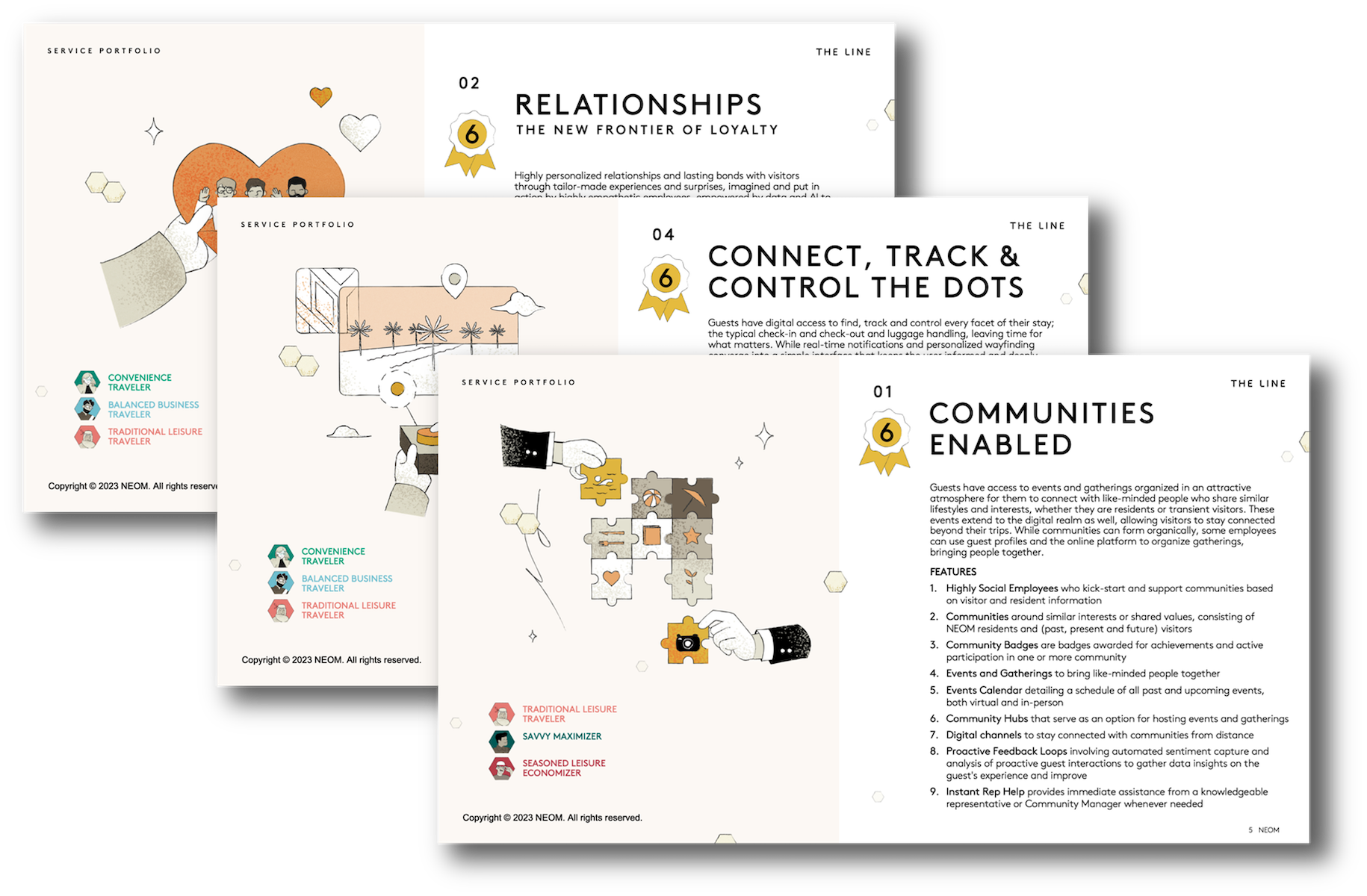
service portfolio
The long list of services includes description, benefits, enablers and technology considerations for the future experience concepts. 6 concepts were prioritized for further detail.
The power of
visual storytelling: Illustration system
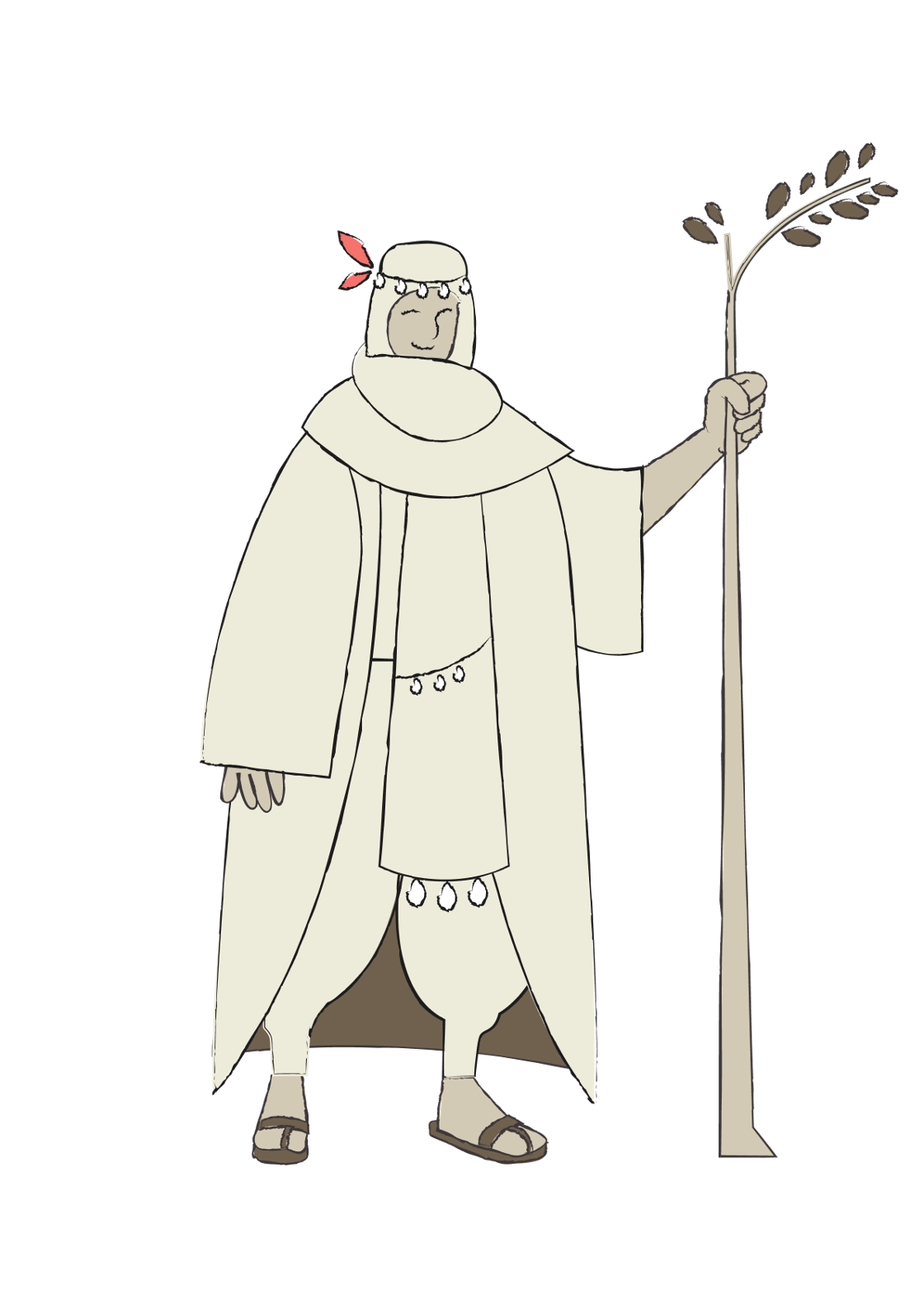
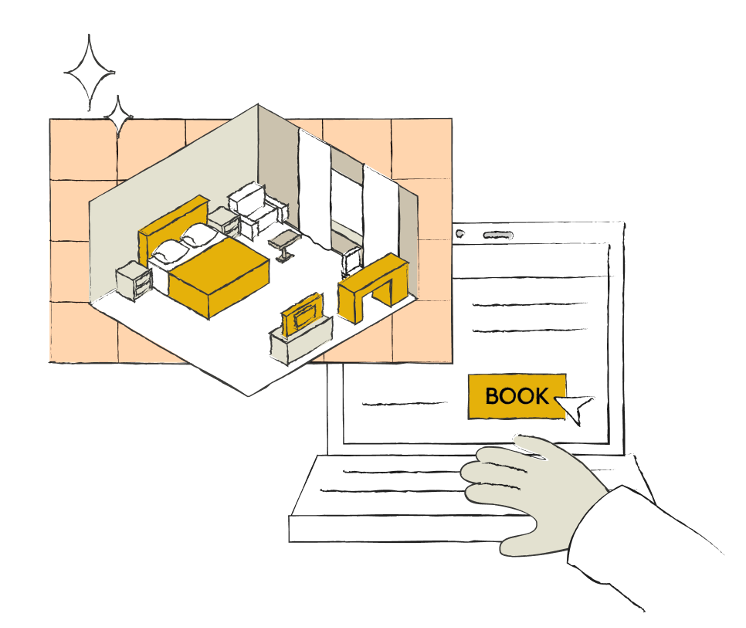
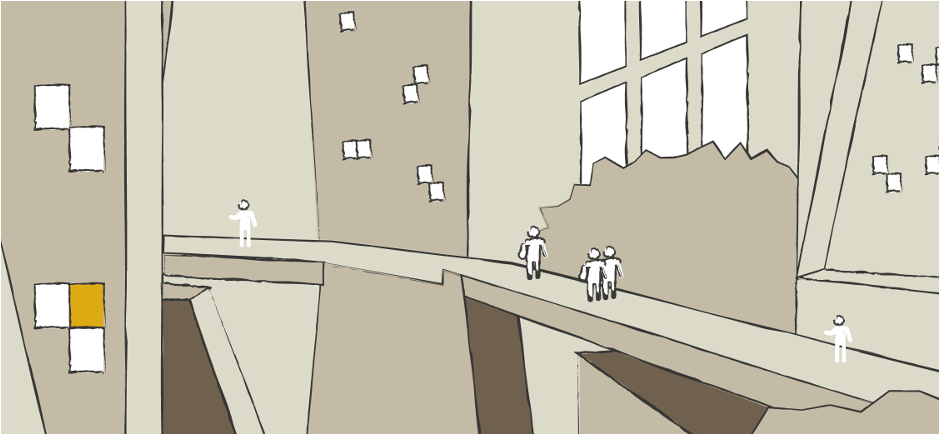
Drawing inspiration from retro-futurism, the visual language envisions the past's perspective on the future, adding a unique and captivating dimension to our storytelling. Benefits of this approach include strengthened branding, heightened clarity, emotional resonance, audience engagement and efficiency.
Icon design

Character design
Spots illustrations design
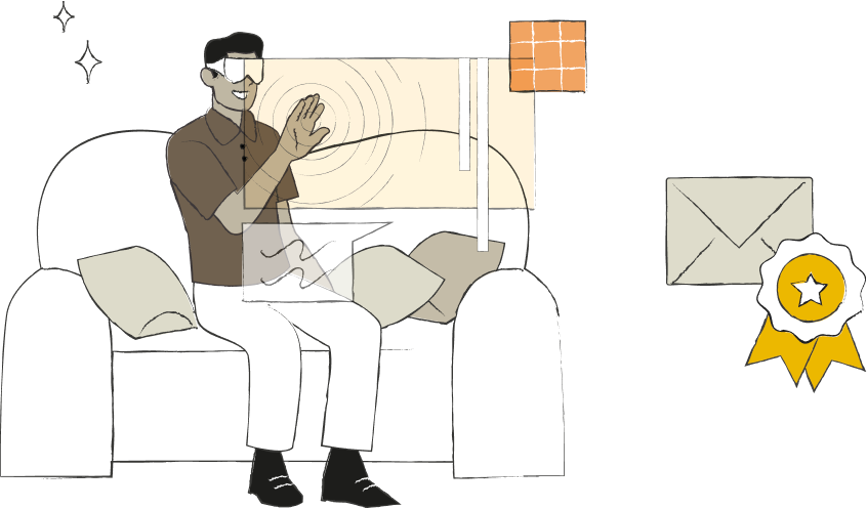
Hero & scenario illustration design
THE LINE
hospitality guest journeys
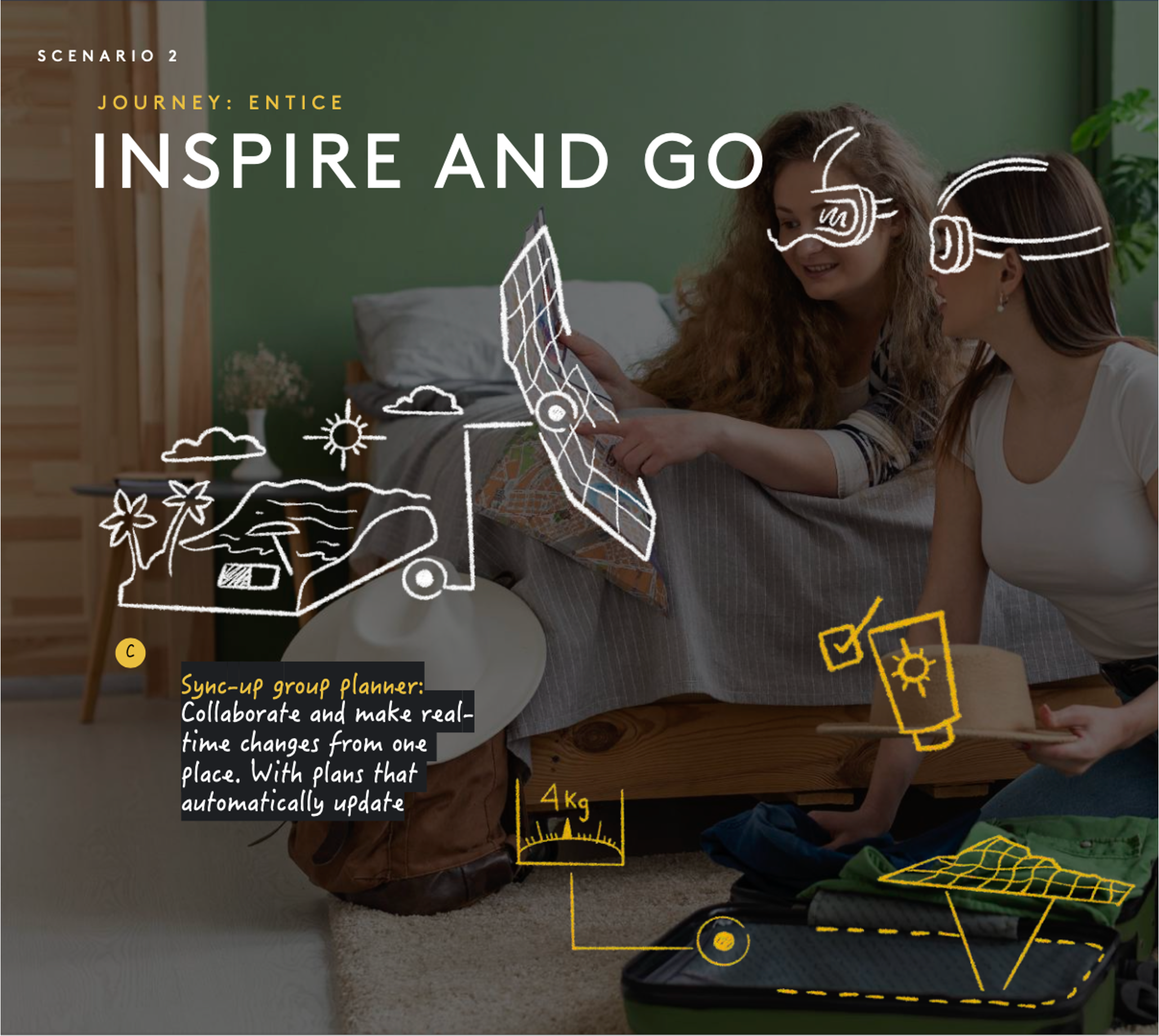
We created a guest journey for each visitor profile, and they corresponded to the various layers of the journey phases and needs. The journey follows a story telling centered approach that included concept mapping to profile mapping.
THE LINE
service blueprints
Each of the 6 prioritized concepts received detailed concept blueprints that were verified with SME and client inputs.
The 14 different layers highlighted the concept’s synergies between concepts, as well as front and backend players for future implementation.
THE LINE
data system blueprint
The poster serves as a tool to demonstrate how storytelling and data visualization can help make complex information easier to understand. Each data point was color-coded to correspond with one of the 5 groups across all deliverables, and cables were used to symbolize connections.
THE LINE
POC roadmap
The roadmap serves as a vehicle for the client to see the POC delivery of the service concepts. This roadmap has been developed taking into consideration the technology readiness and functionality for each of the service concepts.
THE LINE
benefit cases
Prioritized services receive a benefit case corresponding to it as well as an evaluation matrix. It serves as a starting point for the client.
THE LINE
project plans
The 6 prioritized concepts’ POC received a high-level project plan that was verified through SME and client input.